Published
Author
Julian Reed
The Protein Craze: Why Everyone's Counting Grams (And What to Watch Out For)
The Protein Craze: Why Everyone's Counting Grams (And What to Watch Out For)
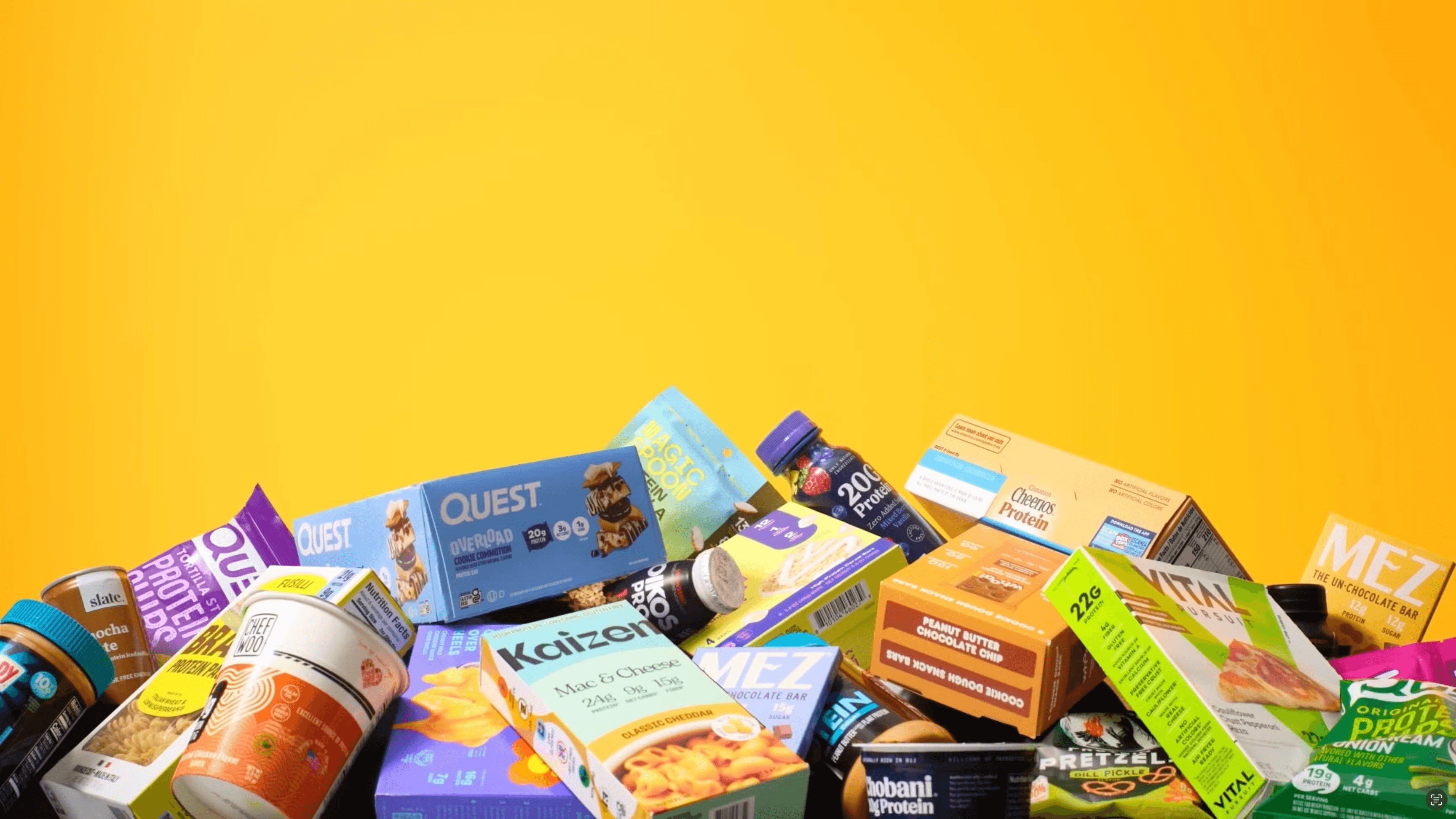
Walk down any grocery aisle and it's impossible to miss. Protein pancakes. Protein popcorn. Protein water. There's protein in things that had absolutely no business being high-protein. And yet, we're buying it. All of it.
So what's actually going on? Is this a legitimate nutritional shift, or are we just collectively losing our minds over a macronutrient?
Probably a bit of both. Let's break it down.
___________________________________________________________________________________
The Protein Psychology
Here's the thing about protein: it never got canceled. Carbs got villainized in the low-carb era. Fat took decades to recover from the fat-free craze of the '90s. But protein? It's been untouched. It's the last macro standing, and that squeaky-clean reputation is a huge part of why it's having this moment.
But the psychology goes deeper than just good PR. In a world that feels chaotic and out of control, optimizing your protein intake is something you can actually do. It's measurable. It's actionable. It fits neatly into a world of fitness trackers, macro apps, and "What I Eat in a Day" TikToks.
For Gen Z especially, nearly 3 in 4 say they turn to social media to learn about health and wellness, way more than any other source. And protein content crushes on the algorithm. It's visual, it's aspirational, and it taps into that core desire to self-optimize. "Hit your protein goal" is basically the new "have a productive morning routine."
There's also the body composition angle. Whether someone wants to lose weight or build muscle, protein checks both boxes. It keeps you full, supports muscle, and carries zero stigma. Marketers noticed, and they ran with it.
The Fine Print: Ingredients to Actually Read
Not all high-protein products are created equal. Just because something has 20g of protein on the front of the package doesn't mean it's good for you. Here's what to watch for before you buy:
Added Sugar Overload: Some protein powders pack up to 23 grams of added sugar per serving, nearly a full day's worth for women. A high-protein label doesn't cancel out a sugar bomb.
Artificial Sweeteners and Fillers: Sucralose, acesulfame potassium, and a long list of gums and emulsifiers often hide in "clean-looking" products. The shorter the ingredient list, the better.
Heavy Metals (Yes, Really): This one's serious. A Consumer Reports investigation found that for more than two-thirds of tested protein powders, a single serving contained more lead than experts consider safe per day, sometimes by more than 10 times. Plant-based powders tend to be hit harder, since drying and grinding plants can concentrate any heavy metals already in the soil.
No FDA Oversight: Unlike food products, protein powders are classified as dietary supplements, which means companies are largely responsible for testing their own safety. That's... not reassuring. Look for third-party certifications like NSF Certified for Sport or Informed Choice as a baseline.
3 Brands Actually Doing It Right
If you're going to spend money on protein, these brands are worth your trust:
1. Transparent Labs
The name says it all. Their whey protein is sourced from 100% grass-fed, hormone-free cows, with zero artificial dyes, zero synthetic sweeteners, and zero fillers. They're Informed Choice certified and regularly test for purity. If you want a protein powder where you can actually read and understand every ingredient, start here.
2. Ritual Essential Protein
Ritual built its entire brand around ingredient traceability, so you can literally look up where each ingredient comes from on their website. Their protein delivers 20g of organic pea protein per serving, is tested for heavy metals and microbes, and skips anything unnecessary. It's not cheap, but you're paying for serious transparency.
3. Tera's Whey Organic Grass-Fed Whey
For those who want something simple: Tera's keeps it to 3–4 ingredients, all organic, non-GMO, and rBST-free. Sweetened with organic stevia or cane sugar. No gums. No fillers. It's the protein powder equivalent of reading a food label and actually understanding everything on it.
The Bottom Line
The protein craze isn't going anywhere, and honestly, getting enough protein is good for you. The issue isn't the macronutrient itself; it's the marketing machine that's turned it into a reason to slap a label on everything from cereal to coffee creamers.
Be a skeptical consumer. Flip the product over. Read past the big number on the front. And if the ingredient list looks like a chemistry exam, put it back.
Protein is great. Just make sure you're actually getting it from something that's great back.
Walk down any grocery aisle and it's impossible to miss. Protein pancakes. Protein popcorn. Protein water. There's protein in things that had absolutely no business being high-protein. And yet, we're buying it. All of it.
So what's actually going on? Is this a legitimate nutritional shift, or are we just collectively losing our minds over a macronutrient?
Probably a bit of both. Let's break it down.
___________________________________________________________________________________
The Protein Psychology
Here's the thing about protein: it never got canceled. Carbs got villainized in the low-carb era. Fat took decades to recover from the fat-free craze of the '90s. But protein? It's been untouched. It's the last macro standing, and that squeaky-clean reputation is a huge part of why it's having this moment.
But the psychology goes deeper than just good PR. In a world that feels chaotic and out of control, optimizing your protein intake is something you can actually do. It's measurable. It's actionable. It fits neatly into a world of fitness trackers, macro apps, and "What I Eat in a Day" TikToks.
For Gen Z especially, nearly 3 in 4 say they turn to social media to learn about health and wellness, way more than any other source. And protein content crushes on the algorithm. It's visual, it's aspirational, and it taps into that core desire to self-optimize. "Hit your protein goal" is basically the new "have a productive morning routine."
There's also the body composition angle. Whether someone wants to lose weight or build muscle, protein checks both boxes. It keeps you full, supports muscle, and carries zero stigma. Marketers noticed, and they ran with it.
The Fine Print: Ingredients to Actually Read
Not all high-protein products are created equal. Just because something has 20g of protein on the front of the package doesn't mean it's good for you. Here's what to watch for before you buy:
Added Sugar Overload: Some protein powders pack up to 23 grams of added sugar per serving, nearly a full day's worth for women. A high-protein label doesn't cancel out a sugar bomb.
Artificial Sweeteners and Fillers: Sucralose, acesulfame potassium, and a long list of gums and emulsifiers often hide in "clean-looking" products. The shorter the ingredient list, the better.
Heavy Metals (Yes, Really): This one's serious. A Consumer Reports investigation found that for more than two-thirds of tested protein powders, a single serving contained more lead than experts consider safe per day, sometimes by more than 10 times. Plant-based powders tend to be hit harder, since drying and grinding plants can concentrate any heavy metals already in the soil.
No FDA Oversight: Unlike food products, protein powders are classified as dietary supplements, which means companies are largely responsible for testing their own safety. That's... not reassuring. Look for third-party certifications like NSF Certified for Sport or Informed Choice as a baseline.
3 Brands Actually Doing It Right
If you're going to spend money on protein, these brands are worth your trust:
1. Transparent Labs
The name says it all. Their whey protein is sourced from 100% grass-fed, hormone-free cows, with zero artificial dyes, zero synthetic sweeteners, and zero fillers. They're Informed Choice certified and regularly test for purity. If you want a protein powder where you can actually read and understand every ingredient, start here.
2. Ritual Essential Protein
Ritual built its entire brand around ingredient traceability, so you can literally look up where each ingredient comes from on their website. Their protein delivers 20g of organic pea protein per serving, is tested for heavy metals and microbes, and skips anything unnecessary. It's not cheap, but you're paying for serious transparency.
3. Tera's Whey Organic Grass-Fed Whey
For those who want something simple: Tera's keeps it to 3–4 ingredients, all organic, non-GMO, and rBST-free. Sweetened with organic stevia or cane sugar. No gums. No fillers. It's the protein powder equivalent of reading a food label and actually understanding everything on it.
The Bottom Line
The protein craze isn't going anywhere, and honestly, getting enough protein is good for you. The issue isn't the macronutrient itself; it's the marketing machine that's turned it into a reason to slap a label on everything from cereal to coffee creamers.
Be a skeptical consumer. Flip the product over. Read past the big number on the front. And if the ingredient list looks like a chemistry exam, put it back.
Protein is great. Just make sure you're actually getting it from something that's great back.